Shaped Quilting: A Designer’s Review for Merch
As an embroidery designer who has spent years digitizing patterns and consulting with small business owners, I approach every new machine embroidery design with a critical eye. It is not just about whether the pattern looks pretty on a screen; it is about how it translates to fabric, how it holds up in the wash, and most importantly, how it serves the brand identity of the client using it. Recently, I reviewed Shaped Quilting, a design categorized under the Mandala product type, to determine its viability for commercial use. For boutique owners, Etsy sellers, and apparel decorators, understanding the practical application of such a design is crucial before investing in production.
First Impressions and Visual Personality
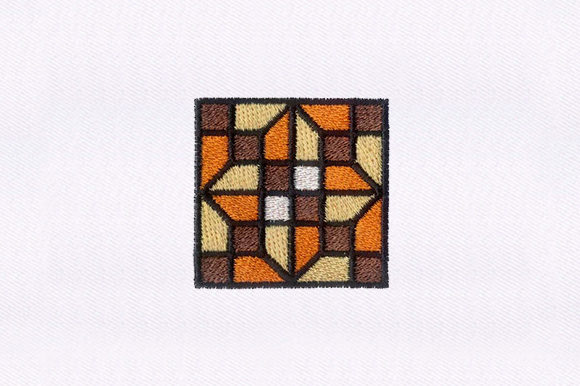
The title Shaped Quilting immediately suggests texture and depth. In the world of Embroidery, quilting motifs often rely on repetitive, geometric, or organic lines that mimic the look of stitched padding. When reviewing this specific file, the first impression is one of understated elegance. It does not scream for attention with neon brightness or chaotic shapes. Instead, it feels professional, classic, and slightly rustic. This visual personality is a significant asset for brands aiming for a handmade, premium aesthetic.
For a creative studio, a local bakery, or a florist, this design offers a sense of warmth. It bridges the gap between modern minimalism and traditional craft. Unlike bold, blocky logos that might feel too corporate, Shaped Quilting adds a layer of sophistication. It suggests that the brand cares about details. For small business merch, this subtle cue can elevate the perceived value of the finished product, making customers feel they are purchasing something curated rather than mass-produced.
Real-World Applications for Small Business Merch
The true test of any digital embroidery file is its versatility. I evaluated Shaped Quilting across several common merchandise categories to see where it shines. Here is how it performs in real business scenarios:
- Embroidered Patches: This is perhaps the strongest use case. The mandala-inspired structure works beautifully as a standalone patch. When applied to denim jackets, canvas tote bags, or laptop sleeves, it acts as a distinctive brand mark. The shaped nature of the design allows it to fit well within circular or oval patch boundaries without awkward empty spaces.
- Apron Embroidery: For cafes, bakeries, and craft workshops, staff uniforms are walking advertisements. Placing this design on the chest pocket or the lower corner of an apron adds a touch of artisanal charm. It reinforces the idea that the service provided is hands-on and careful.
- Tote Bag Design: Canvas totes are a staple for retail businesses. A monochromatic version of Shaped Quilting embroidered in a contrasting thread color creates a chic, minimalist look that appeals to modern consumers. It serves as a subtle logo alternative for brands that prefer less overt branding.
- Cap Embroidery: While complex mandalas can be tricky on curved surfaces, the "shaped" aspect of this design implies it may have been optimized for smaller hoops. If scaled correctly, it makes for an excellent side-panel accent on baseball caps, offering a unique alternative to standard text-only hats.
Technical Considerations and Production Notes
While the aesthetic appeal is high, technical execution is where many small business owners stumble. As a designer, I must highlight specific areas where caution is needed when using Shaped Quilting. The success of the finished product depends heavily on preparation and machine settings.
First, consider the stitch density. Quilting-style designs often feature dense filling or intricate running stitches. If the density is too high for the chosen fabric, you risk puckering or needle breaks. I strongly advise testing the design on a scrap piece of your actual production fabric before running a full batch. Pay close attention to the fabric texture. Heavy canvases and denim can handle more density, while lightweight cottons or silks may require a lighter touch or a different stabilizer strategy.
Second, the choice of stabilizer is non-negotiable. For a design with potential intricate outlines, a cut-away stabilizer is often safer for garments that will undergo frequent washing, such as staff uniforms. For items like tote bags that do not stretch, a tear-away might suffice, but always prioritize stability to maintain the crispness of the mandala lines.
Third, review the thread colors. Because this design relies on shape and texture rather than massive blocks of color, contrast is key. A low-contrast thread choice (such as beige on cream) might look elegant in person but disappear in online product photos. For printable mockup creation and social media marketing, ensure your thread choice pops against the garment color to capture buyer engagement.
Brand Identity and Customer Trust
Using a cohesive set of design assets is vital for building brand recognition. Shaped Quilting can serve as a secondary brand element. If your primary logo is text-based, this motif can be used on packaging inserts, thank-you cards, or as a watermark on digital content. This visual consistency builds trust. Customers begin to associate that specific shaped pattern with your quality and style.
Furthermore, in the realm of commercial embroidery, professionalism is paramount. A poorly digitized design with loose threads or misaligned jumps reflects poorly on the brand. Since Shaped Quilting is available in multiple embroidery file formats—including DST, PES, JEF, and EXP—it is essential to select the format native to your machine to minimize conversion errors. Always inspect the design in your embroidery software before hooping. Check for unnecessary jump stitches and confirm the hoop size requirements match your equipment.
Practical Steps Before Production
Before you commit to producing hundreds of units for your next event or product launch, follow these practical steps to ensure success with Shaped Quilting:
- Test in Black and White: Stitch out the design using black thread on white fabric. This reveals the true structure and spacing of the stitches without the distraction of color. It helps you identify if any areas are too dense or if the shape holds together well.
- Check Scalability: Determine the minimum size at which the design remains legible. If you plan to use it on small tags or tiny patches, ensure the details do not merge into a blob. Small business merch often requires versatile sizing.
- Verify Licensing: Always confirm the commercial licensing terms associated with the machine embroidery design. Ensure you have the right to sell products featuring this design, especially if you are creating items for third-party clients.
- Create Client Mockups: If you are a decorator working with B2B clients, create a high-quality printable mockup showing the design on their specific garment. This helps manage expectations and secures approval before stitching begins.
- Compare with Other Assets: Place Shaped Quilting next to your existing logo and brand patterns. Does it complement them? Or does it clash? Visual harmony is essential for a professional presentation.
Final Verdict for Embroidery Professionals
Shaped Quilting is a versatile and aesthetically pleasing addition to any embroidery library, particularly for those serving the handmade, boutique, and lifestyle sectors. Its mandala roots provide a sense of balance and tradition, while its shaped application allows for modern interpretation. For small business owners looking to enhance their custom apparel or create unique branded gifts, this design offers a pathway to higher perceived value.
However, its success relies on technical diligence. By respecting the nuances of stitch density, stabilizer choice, and fabric compatibility, you can transform this digital file into a tangible asset that strengthens your brand identity. Whether used on a barista’s apron, a shopper’s tote, or a limited-edition patch, Shaped Quilting has the potential to become a signature element of your merchandise lineup. Just remember to check the specific file formats like VIP, VP3, and XXX to ensure compatibility with your specific machine setup, and always prioritize a test stitch to guarantee the quality your customers expect.