Subtle Quilting Design: A Designer’s Practical Review
As an embroidery designer who has spent years digitizing patterns and critiquing finished products, I approach every new machine embroidery design with a specific set of questions. Does it stitch cleanly? Will it hold up after washing? Does it add value to the final product, or does it look like an afterthought? When I first loaded Subtle Quilting Design into my software, I was looking for exactly that balance between understated elegance and technical reliability. This isn’t just about pretty pictures; it is about creating a handmade product that customers trust and cherish.
First Impressions and Visual Mood
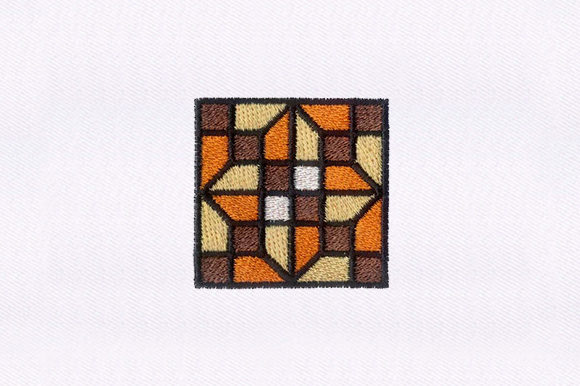
The immediate appeal of Subtle Quilting Design lies in its restraint. In a market saturated with loud, dense, and overly complex patterns, this design offers a breath of fresh air. The layout suggests a texture rather than a heavy graphic, making it ideal for projects where the fabric itself plays a starring role. The visual personality is calm and sophisticated, fitting naturally into the Bedroom category for items like pillow covers or quilted throws, but its versatility extends far beyond home decor.
What stands out is the potential for varied interpretation. Depending on your choice of thread colors and stitch density, this design can mimic traditional hand-quilting lines or provide a modern, textured accent. For a designer, this flexibility is gold. It means one embroidery file can serve multiple clients with different aesthetic needs, from rustic farmhouse styles to minimalist contemporary looks.
Real-World Application: The Custom Tote Bag Test
To truly evaluate a design, you have to imagine it in a real-life scenario. I recently considered using Subtle Quilting Design for a line of custom canvas tote bags for a local boutique. The goal was to create a tote bag design that felt premium without being ostentatious. Here is how the design performed in my mental simulation and previous similar projects:
- Fabric Interaction: On heavy canvas, the design adds necessary texture without distorting the material. The subtle nature of the pattern prevents the "puckering" often seen with denser fills on stiff fabrics.
- Customer Perception: Buyers often equate subtlety with high-end craftsmanship. A finished product featuring this design looks intentional and curated, rather than mass-produced.
- Production Efficiency: Because the design relies on finer lines and open spaces, it typically stitches faster than heavy fill designs. This is crucial for Etsy sellers and small shop products where time is money.
This same logic applies to sweatshirt embroidery. Placing this design on the cuff or collar of a high-quality hoodie adds a touch of bespoke detail that elevates the garment from basic apparel to a personalized gift worth paying extra for.
Technical Considerations and Fabric Choices
While Subtle Quilting Design is versatile, it is not universal. As a reviewer, I must point out where caution is needed. The effectiveness of this design hinges on contrast and stability.
Fabric Texture and Weight
On smooth, tightly woven cottons or linens, the design shines. However, on highly textured fabrics like terry cloth or fuzzy fleece, the fine details may get lost. If you are working with stretchy fabric for custom apparel like t-shirts, proper stabilization is non-negotiable. A cut-away stabilizer is often safer than tear-away for garments that will undergo frequent washing and wearing.
Hoop Size and Placement
Before stitching, always confirm the hoop size required for your specific machine. While the design is labeled as suitable for various formats, scaling it too small can cause thread breaks or loss of definition. Conversely, blowing it up too large might expose inconsistencies in the digitizing if the original pathing wasn't optimized for expansion. Always check the specific dimensions provided in the digital embroidery file package.
Thread Color Strategy
The term "subtle" implies low contrast, but that doesn't mean invisible. I recommend testing the design in black and white mockups first. If the design disappears against your background fabric, you need to adjust your thread colors. For dark fabrics, consider using a metallic or variegated thread to catch the light, giving the embroidery project depth without breaking the subtle theme.
Commercial Viability for Craft Businesses
For craft business owners and commercial embroidery professionals, the value of Subtle Quilting Design lies in its broad appeal. It fits seamlessly into several lucrative niches:
- Nursery Decor: Soft, gentle patterns are perennial bestsellers for baby items. This design works beautifully on muslin swaddles or crib sheets, provided the stitch density is low enough to keep the fabric soft against sensitive skin.
- Wedding and Holiday Gifts: For holiday embroidery or wedding favors, subtlety reads as elegant. Think monogrammed napkins or guest towels where the design frames the text rather than competing with it.
- Boutique Branding: Small logos or tags on embroidered patches can utilize this style to create a recognizable brand signature that feels organic and handmade.
When creating printable mockups or digital previews for your online store, ensure the lighting highlights the texture of the stitches. Customers buying online need to see the dimensionality that applique design or textured fills provide. A flat photo won't do justice to the tactile quality of this work.
Designer Notes for Best Results
To get the most out of Subtle Quilting Design, follow these practical steps before committing to a final piece:
- Test on Scrap Fabric: Never skip the test stitch. Use the same fabric and stabilizer combination you plan to use for the final product.
- Check Stitch Density: If the design feels too sparse, consider adding a light underlay or adjusting the density settings if your software allows. If it’s too dense, reduce it to prevent fabric distortion.
- Verify File Formats: The product description lists a wide range of formats including DST, PES, JEF, and EXP. Ensure you select the correct embroidery file for your specific machine model to avoid conversion errors that can alter stitch paths.
- Licensing Check: Always review the license terms. Most designers allow selling finished physical items, but restrictions may apply to sharing the digital file itself. Confirm this before listing items on Etsy or at craft fairs.
- Contrast Testing: Try the design on both light and dark backgrounds. Sometimes a slight change in thread sheen can make a subtle design pop without becoming loud.
In conclusion, Subtle Quilting Design is a strong asset for any designer’s library. It respects the fabric, honors the craft, and delivers a professional finish that appeals to discerning buyers. Whether you are creating a baby embroidery piece, a sophisticated apron, or a unique pillow cover, this design offers the quiet confidence that defines high-quality handmade goods. Use it wisely, test it thoroughly, and let the texture speak for itself.