Teddy Bear Line Art: A Designer’s Review
As an embroidery designer who has spent years refining digitizing techniques for boutique apparel, I approach every new machine embroidery design with a critical eye. It is not just about whether the file runs smoothly on the machine; it is about how the final stitch-out translates into brand value for my clients. Recently, I had the opportunity to evaluate the Teddy Bear Line Art design for a limited-edition sweatshirt drop intended for a small online shop. This review breaks down the aesthetic potential, technical considerations, and commercial viability of this specific embroidery file within the context of modern handmade fashion.
First Impressions and Aesthetic Mood
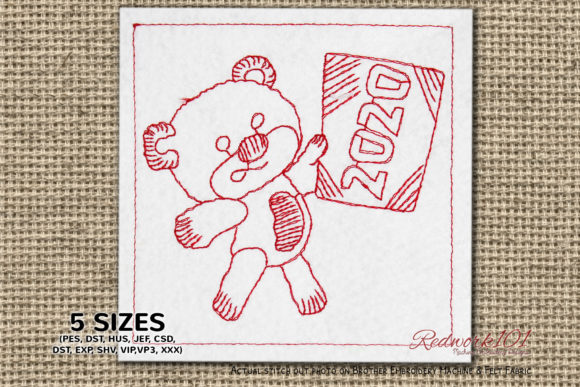
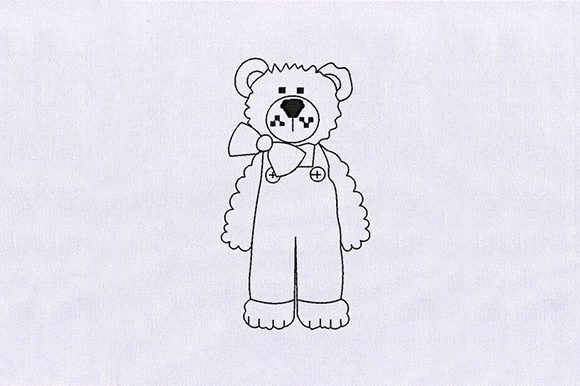
The immediate appeal of Teddy Bear Line Art lies in its minimalist execution. In a market saturated with overly complex, high-density fills, line art offers a refreshing breath of air. The design feels playful yet sophisticated, striking a balance that is increasingly difficult to achieve. For a boutique brand aiming to project a image that is both cozy and curated, this style is ideal. It does not scream for attention; rather, it invites a closer look, which is exactly what you want for premium casual wear.
The mood is undeniably cute, but it avoids being childish. This distinction is crucial for custom apparel targeting young adults or parents who appreciate subtle nostalgia. The layout appears clean, suggesting that the digitizer prioritized flow over excessive detail. When I visualize this as a finished product, I see a design that complements the fabric texture of heavy cotton blends rather than fighting against it. It feels decorative without being ostentatious, making it a versatile asset for any creative entrepreneur looking to expand their catalog beyond standard logos.
Application on Sweatshirts and Hoodies
When planning a sweatshirt embroidery project, placement is everything. I tested the visual weight of Teddy Bear Line Art across several common garment areas. On the left chest of a neutral, oatmeal-colored sweatshirt, the design acts as a subtle signature. It provides just enough visual interest to break up the monotony of solid colors without overwhelming the wearer. For oversized hoodies, I recommend scaling the design slightly larger for a back placement. Here, the line work can breathe, allowing the negative space to enhance the minimalist vibe.
Color interaction is another vital factor. On dark fabrics like charcoal or navy, this design requires careful selection of thread colors. A bright white or soft pastel thread will pop beautifully, creating a high-contrast look that feels modern and bold. Conversely, on pastel colors, using a tonal thread—such as light gray on pale pink—creates a sophisticated, understated effect that appeals to buyers seeking a more feminine or rustic aesthetic. The versatility of this hoodie design means it can adapt to seasonal trends, from cozy winter whites to vibrant spring hues.
Technical Considerations for Production
From a technical standpoint, working with line art on thick fabrics like fleece or French terry requires attention to stitch density and stabilization. While the provided description notes that this is a high-quality embroidery suitable for any fabric, experienced Etsy sellers know that "one size fits all" rarely applies to production. Before running a full batch, you must verify the recommended hoop size and ensure your stabilizer choice matches the stretch of your garment. I strongly advise using a cut-away stabilizer for sweatshirts to prevent puckering, especially if the design includes any satin stitch borders alongside the running stitches.
Another concern is readability at smaller sizes. If you plan to use Teddy Bear Line Art as a sleeve accent or on a cuff, test a sample first. Line art can sometimes lose definition if scaled down too far, depending on the original digitizing resolution. Since the product details do not specify exact stitch counts or file formats, it is imperative to check these specifications before purchasing. Ensure the digital embroidery file format is compatible with your machine software. For commercial use, durability is key; ensure the thread tension is adjusted so the stitches lay flat and withstand repeated washing without fraying.
Enhancing Brand Identity and Value
Incorporating unique designs like Teddy Bear Line Art into your small shop product lineup does more than just add inventory; it builds brand identity. Customers today are looking for stories and craftsmanship. A well-executed embroidered teddy bear signals care and quality, differentiating your handmade product from mass-produced alternatives. This differentiation allows for higher price points and increased buyer trust.
For marketing purposes, this design is a dream for lifestyle product photography. The clean lines photograph exceptionally well, making it easier to create compelling printable mockup previews for your online store. Whether you are updating your Etsy listings or creating social media content, the visual clarity of line art ensures that your design assets look professional and polished. It encourages customer engagement because it is instantly recognizable and shareable.
Final Verdict for Creative Entrepreneurs
The Teddy Bear Line Art design is a strong contender for any boutique brand looking to add a touch of whimsy to their collection. It bridges the gap between playful and premium, offering flexibility in placement and colorways. However, success lies in the execution. Do not assume the file is ready for immediate bulk production without testing. Check the stabilizer requirements, confirm the hoop size compatibility, and experiment with thread contrasts to find the perfect match for your specific fabric choices.
For commercial embroidery projects, consistency is king. Once you dial in the settings for your specific machine and fabric combination, this design can become a staple in your offerings. It supports the narrative of quality and attention to detail that defines successful handmade businesses. By treating this embroidery not just as a graphic, but as a tactile element of your brand experience, you elevate the perceived value of every sweatshirt and hoodie you sell. Ultimately, Teddy Bear Line Art is more than just a cute motif; it is a strategic tool for enhancing your visual recognition and connecting with customers who value thoughtful, well-crafted apparel.