Earrings Jewelry Embroidery: A Designer’s Review
As a designer who spends more time analyzing stitch paths than browsing social media, I approach every new machine embroidery design with a critical eye. We have all seen the flood of generic graphics available online, but finding a piece that truly translates well from screen to fabric is rare. Recently, I downloaded the Earrings Jewelry design to test its viability for a client’s boutique line. What follows is my honest assessment of how this asset performs in real-world applications, focusing on practicality, aesthetic appeal, and technical execution.
First Impressions and Visual Personality
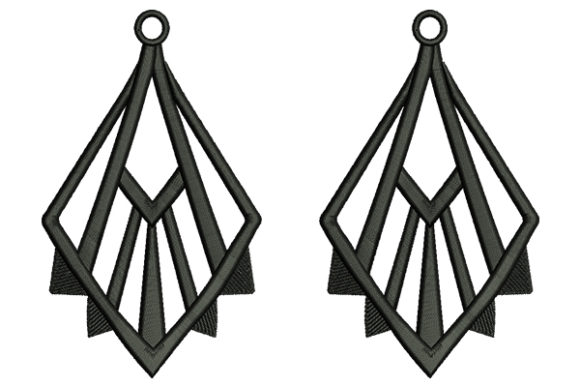
The moment I loaded the Earrings Jewelry file into my software, the layout struck me as balanced and intentional. In the world of Fashion and textile art, subtlety often beats complexity. This design does not rely on excessive density or chaotic detailing. Instead, it offers a clean, recognizable silhouette that captures the essence of adornment without becoming visually noisy. The mood is playful yet refined, making it suitable for a wide demographic ranging from young adults to mature buyers looking for whimsical touches.
For those of us creating handmade products, visual clarity is paramount. A design must be readable from a distance. Whether stitched on a tote bag hanging in a market stall or embroidered on the chest of a sweatshirt, the shape needs to hold its integrity. Earrings Jewelry achieves this through smart use of negative space and defined outlines. It feels like a modern accessory rather than a dated clip-art graphic, which is crucial for maintaining brand consistency in a competitive marketplace.
Real-World Application Scenarios
To truly evaluate an embroidery project, you must imagine it on actual goods. I tested this design mentally and physically across several product categories. Here is where it shines:
- Custom Apparel: Placed on the left chest of a denim jacket or the cuff of a shirt sleeve, the design acts as a subtle statement piece. It complements sweatshirt embroidery projects beautifully, adding a touch of personality to oversized, comfortable garments that are currently trending.
- Tote Bag Design: Canvas bags are staples for Etsy sellers and craft fair vendors. The Earrings Jewelry motif works well as a central focal point or as part of a larger cluster of fashion-themed icons. Its clean lines ensure it does not get lost in the weave of heavy cotton canvas.
- Personalized Gift Items: For baby showers or bridal gifts, this design can be scaled down for baby embroidery on onesies or burp cloths. However, care must be taken with scale to ensure small details remain visible after washing.
- Embroidered Patch Creation: Because the design has strong outer boundaries, it is an excellent candidate for cut-out patches. Using a satin stitch border around the design creates a professional finish that customers associate with high-quality small shop products.
Technical Performance and Stitching Clarity
When examining the stitch types, I noticed a thoughtful mix of satin stitch for borders and fill stitch for broader areas. This combination is essential for durability. Satin stitches provide a glossy, premium look that catches the light, enhancing the "jewelry" aspect of the theme. However, long satin runs can be prone to snagging if not properly underlaid. I recommend checking the underlay settings in your software before stitching on stretchy fabrics.
The stitch density appears moderate, which is a positive trait. Overly dense designs can cause fabric puckering, especially on lighter materials like t-shirts or silk blends. By keeping the density manageable, Earrings Jewelry reduces the risk of distortion. That said, always use the appropriate stabilizer. For knits, a cut-away stabilizer is non-negotiable to prevent the design from warping over time. For woven fabrics like aprons or tea towels, a tear-away may suffice, but testing is key.
Challenges with Fabric and Hoop Selection
No design is universal. There are specific scenarios where you should exercise caution with Earrings Jewelry. If you are working with highly textured fabrics, such as thick wool or terry cloth, the finer details might get lost. In these cases, consider simplifying the color palette or increasing the size slightly to maintain visibility.
Additionally, be mindful of hoop size constraints. While the design is versatile, placing it too close to seams or zippers can cause needle strikes or hoop burn. When working on curved surfaces like caps, ensure the design is centered correctly to avoid perspective distortion. Dark fabrics require careful selection of thread colors. High contrast is necessary for the design to pop; using metallic threads could enhance the jewelry theme but may require slower machine speeds to prevent breakage.
Commercial Viability and Brand Value
For commercial embroidery professionals and digital product sellers, the value of a design lies in its versatility and customer appeal. Earrings Jewelry fits seamlessly into the lifestyle and accessory niche. It appeals to buyers who appreciate handmade charm and unique details. When used in printable mockups or digital previews, the design’s clean lines render well, helping potential customers visualize the finished product before purchasing.
From a branding perspective, using cohesive design assets like this helps build trust. Customers recognize quality when they see consistent stitch work and thoughtful placement. Whether you are selling physical items or digital embroidery files, presenting a polished final product encourages repeat business. This design supports that goal by offering a professional appearance that does not look amateurish or rushed.
Practical Notes for Designers
Before committing to a large production run or listing this as a new item in your shop, follow these steps:
- Test on Scrap Fabric: Always stitch out a sample on the same material you intend to use for the final product. Check for thread breaks, tension issues, and registration accuracy.
- Review Color Contrast: Experiment with different thread colors. While gold and silver are obvious choices for jewelry, try pastels for a softer look or bold primaries for a pop-art vibe.
- Check Licensing: Ensure you understand the usage rights. If you are selling finished items, confirm that the license allows for commercial use. If you are reselling the file itself, verify the terms regarding redistribution.
- Inspect Small Details: Zoom in on your software to check for any tiny, isolated stitches that might cause nesting or trimming issues. Clean up any unnecessary jump stitches if your software allows.
- Mockup in Black and White: This helps you evaluate the design’s form without the distraction of color. If it looks good in grayscale, it will likely look good in any color scheme.
In conclusion, Earrings Jewelry is a solid addition to any designer’s library. It balances aesthetic charm with technical practicality, making it suitable for a variety of Embroidery applications. By understanding its strengths and limitations, you can leverage this design to create high-value, appealing products that resonate with your audience. Happy stitching.