Card Case Embroidery: A Designer’s Craft Fair Review
As an experienced embroidery designer who has spent countless weekends behind a booth table, I know that not every digital file translates into a bestseller. When I first loaded the Card Case machine embroidery design onto my screen, I wasn’t just looking at pixels; I was visualizing stacks of cash, customer interactions, and the tactile feel of a finished product in a shopper’s hand. This review breaks down why this specific design deserves a spot in your production queue, especially if you are targeting the handmade market.
First Impressions: Clean Lines and Commercial Appeal
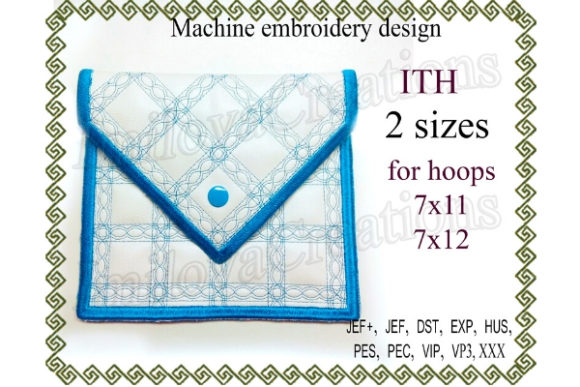
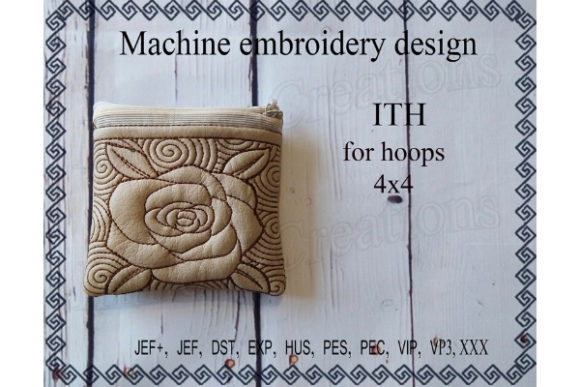
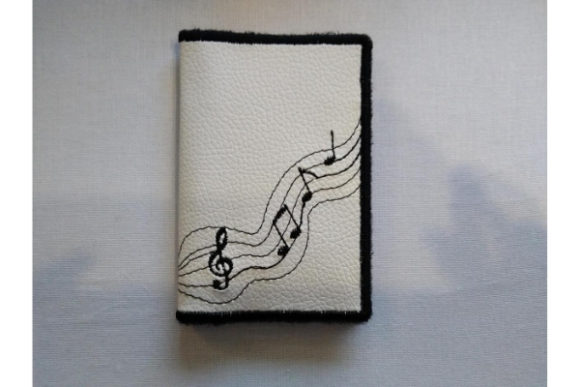
The initial glance at the Card Case design suggests a blend of modern minimalism and practical elegance. It does not scream for attention with chaotic details or overly complex shading. Instead, it offers a clean, recognizable silhouette that reads well from a distance. For a craft fair seller, this is crucial. Shoppers walking past your booth have seconds to decide whether to stop. A design that is instantly understandable as a card holder or wallet motif creates an immediate mental connection to utility and style.
The aesthetic feels premium rather than cute or rustic. This distinction matters because it allows you to price your items higher. It fits seamlessly into a boutique maker’s collection, appealing to customers who value sophistication in their everyday carry items. Whether you are an Etsy seller or a local artisan, this vibe helps elevate your brand perception from "homemade" to "handcrafted luxury."
Versatility Across Product Lines
One of the strongest assets of this embroidery file is its adaptability. While the name implies a focus on card holders, the design’s simplicity allows it to shine on various substrates. Here is how it performs across different small shop products:
- Tote Bag Design: Placed centrally on a canvas tote, the design acts as a sophisticated focal point. It appeals to professionals who want a bag that transitions from work to weekend.
- Apron Embroidery: For kitchen enthusiasts, stitching this on a high-quality linen apron adds a touch of organized charm. It suggests a love for hosting and neatness.
- Tea Towel Embroidery: While less common for wallet motifs, using it as a decorative element on a set of kitchen towels can create a themed gift set, perfect for housewarmings.
- Embroidered Patch: This is perhaps the most lucrative application. Patches are low-commitment purchases for buyers. The clear lines of the Card Case design ensure it remains legible even when scaled down for a 3-inch patch.
- Fabric Pouches and Market Bags: Stitching this on zippered pouches or reusable produce bags adds value. It turns a generic item into a branded, thoughtful gift.
For those creating printable mockups or digital embroidery file listings, the clean edges of this design render beautifully in photos. It does not get lost in fabric texture, making it ideal for online thumbnails where clarity is key.
Production Practicality and Batch Efficiency
From a production standpoint, time is money. The Card Case design appears to be optimized for speed without sacrificing quality. Because it lacks excessive dense stitch areas, it reduces the risk of thread breaks and needle heat, which are common headaches during long production runs. This makes it an excellent candidate for batch production. You can hoop multiple items, hit start, and move on to packaging or marketing.
However, practical selling points go beyond speed. The design works well as both a small accent on a cap brim or a larger statement on a pillow cover. Its scalability means you do not need to purchase five different versions of the same motif. This efficiency lowers your overhead and simplifies your inventory management.
Navigating Fabric and Stabilizer Challenges
While the design is robust, careful use is required to maintain its crisp appearance. Here are specific considerations for your next sewing project:
- Stitch Density and Fabric Texture: If you are stitching on textured towels or thick denim, ensure your stabilizer is heavy enough to prevent sinking. The design’s clarity depends on the stitches sitting on top of the fabric, not disappearing into the weave.
- Thread Colors: Contrast is vital. On dark fabric, use metallic or bright rayon threads to make the Card Case pop. On light linen, subtle tonal variations can create a sophisticated, understated look.
- Curved Surfaces: When applying this to caps, be mindful of distortion. The geometric nature of a card case motif can look warped if not hooped correctly on curved surfaces. Use a cap frame and test on scrap fabric first.
- Small Lettering and Details: If the design includes any text or intricate interior details, verify that they remain legible at smaller sizes. Tiny details can merge together if the stitch density is too high or the thread too thick.
Always check the specific hoop size requirements included in the digital embroidery file package. Since the description mentions multiple embroidery file formats, you likely have options for different machines. Choose the format that matches your hoop capacity to avoid unnecessary resizing, which can alter stitch density and cause puckering.
Boosting Brand Consistency and Buyer Engagement
In a crowded marketplace, consistency builds trust. Using the Card Case design across a cohesive line of products—such as matching tote bags and patches—creates a strong visual identity. Customers are more likely to buy multiple items if they see a unified theme. This design supports that strategy by being versatile enough to appear on various items while maintaining a consistent look.
Furthermore, this design encourages buyer engagement. It sparks conversation. A shopper might ask, "Is that a card holder?" which opens the door for you to explain the functionality of your product or upsell a matching item. It transforms a static object into an interactive sales tool.
Final Designer Notes for Success
Before you list this as a commercial embroidery product or take it to your next fair, follow these final steps:
- Test on Scrap Fabric: Never skip this step. Check for pull compensation and registration issues.
- Review Spacing: Ensure there is adequate space between elements if the design is complex.
- Create Real Mockups: Photograph the stitched design on actual products, not just digital overlays. Buyers want to see how the thread interacts with real fabric.
- Confirm Licensing: The product description states it is ready for your next sewing project and comes with multiple formats. However, always double-check the license terms regarding commercial use. Ensure you are allowed to sell finished products made with this design, especially if you are a digital seller or boutique maker.
The Card Case embroidery design is more than just a pattern; it is a strategic asset for your handmade business. It balances aesthetic appeal with production efficiency, making it a reliable choice for craft fair products and online listings alike. By paying attention to fabric choice, stabilizer selection, and presentation, you can maximize its potential and drive sales in your small shop.