Dream House: A Designer’s Review for Craft Fair Success
As an embroidery designer who has spent countless weekends standing behind booths at local markets, I know that not every design translates from the screen to the sales table. When I first loaded the Dream House machine embroidery design into my software, my immediate goal was not just to admire the aesthetics, but to evaluate its commercial viability. For craft fair sellers, Etsy shop owners, and boutique makers, a design must do more than look pretty; it must sell. This review breaks down how this specific digital embroidery file performs in the real world of handmade product creation.
First Impressions and Visual Appeal
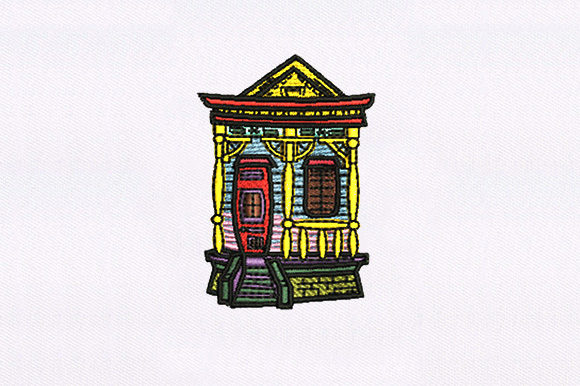
The title Dream House suggests a sense of aspiration, comfort, and domestic warmth. Upon reviewing the stitch layout, the design leans heavily into a charming, perhaps slightly rustic or modern farmhouse aesthetic. It does not scream "loud" or "neon"; instead, it offers a balanced visual weight that feels premium and thoughtful. For a handmade product, this is crucial. Customers at craft fairs are often looking for items that elevate their living spaces without feeling mass-produced. The design’s structure appears clean, avoiding unnecessary clutter that can confuse the eye from a distance. This clarity is vital for booth display strength, where you have only seconds to capture a passerby’s attention.
Versatility Across Product Categories
One of the strongest assets of the Dream House design is its adaptability. In my experience, a single strong motif can anchor an entire product line if applied correctly. Here is how I envision this design performing across various categories:
- Tote Bag Design: This is likely the highest volume seller. Embroidered on a natural canvas tote, the design becomes a statement piece. It transforms a simple bag into a lifestyle accessory that signals the buyer’s love for home and comfort.
- Apron Embroidery: For kitchen-focused buyers, placing this design on a high-quality linen apron creates an instant heirloom feel. It works well as a chest pocket accent or a larger focal point on the bib.
- Tea Towel Embroidery: Kitchen textiles are staple small shop products. However, caution is needed here regarding fabric texture. The design must be scaled appropriately to ensure the stitches do not pucker the thin cotton of a standard tea towel.
- Embroidered Patch: If the design holds up at a smaller scale, it makes for an excellent iron-on or sew-on patch. Patches are low-cost, high-margin items that appeal to younger demographics and DIY enthusiasts.
- Pillow Covers and Market Bags: These items benefit from the "home" theme inherent in the title. The design adds perceived value, allowing you to charge a premium for what is essentially a basic textile item.
Production Practicality and Batch Efficiency
For those of us running small businesses, time is money. A design that takes forty-five minutes to hoop and stitch is less desirable than one that runs efficiently while maintaining quality. While I cannot specify the exact stitch count without seeing the specific file data, the visual complexity of Dream House suggests a moderate density. This is generally good news for production. It implies that the design is substantial enough to look luxurious but not so dense that it consumes excessive thread or machine time.
When preparing for a weekend craft fair, repeatability is key. You need to know that your tenth item will look as good as your first. This design appears to have clear boundaries and defined shapes, which reduces the risk of registration errors during stitching. This consistency helps maintain brand consistency across your finished product line, ensuring that every tote bag or apron meets your quality standards.
Technical Considerations and Careful Use
Even the best designs have pitfalls. As an experienced embroiderer, I advise paying close attention to several technical factors when working with this file. First, consider the stitch density. If the design features large filled areas, ensure you are using the correct stabilizer. A cut-away stabilizer is often safer for wearable items like aprons and caps to prevent distortion over time, while a tear-away might suffice for stable woven fabrics like pillow covers.
Fabric texture plays a significant role in the final outcome. Textured towels or thick denim can sometimes cause small details to get lost. If Dream House includes fine lines or tiny lettering, test it on your intended fabric before committing to a full batch. Dark fabric presents another challenge; if the design relies on subtle shading, ensure your thread colors provide enough contrast to remain visible. A printable mockup can help visualize this, but nothing beats a physical test stitch on scrap fabric.
Additionally, curved surfaces like caps require careful hooping. If you plan to offer embroidered caps, verify that the design fits within your cap frame’s usable area and that the curvature does not distort the image. Always check the hoop size compatibility before purchasing or downloading any digital embroidery file.
Maximizing Sales Through Presentation
How you present Dream House determines its success. For online listings, such as those on Etsy, high-quality photography is non-negotiable. The design should be photographed in natural light to showcase the sheen of the thread and the texture of the stitch. Use lifestyle shots that show the product in use—a tote bag slung over a shoulder, an apron tied in a sunny kitchen. This helps the customer imagine the item in their own life.
At a physical craft fair, use the design to create a cohesive booth display. Group items by color palette or function. If the design uses warm, earthy thread colors, surround it with natural wood accents and dried flowers. This contextualizes the product and enhances its emotional appeal. Buyer engagement increases when they can touch and feel the quality of the embroidery. The tactile nature of machine embroidery is a major selling point against printed goods.
Final Designer Notes and Licensing
Before you launch your new collection, remember to verify the commercial licensing terms associated with this design. Not all digital embroidery files allow for unlimited commercial use. Ensure you are compliant with the creator’s terms to protect your business. Furthermore, always keep a library of design assets, including backup files in multiple formats. The availability of formats like DST, PES, JEF, and EXP ensures compatibility with various machine brands, which is essential if you scale your production or upgrade equipment.
In conclusion, Dream House offers a solid foundation for a successful craft fair product line. Its aesthetic appeal, combined with practical production characteristics, makes it a strong contender for tote bags, aprons, and home decor items. By paying attention to fabric choice, stabilizer selection, and presentation, you can turn this digital file into a profitable stream of handmade income. Test thoroughly, photograph beautifully, and let the quality of your embroidery speak for itself.