Hawk Face Embroidery: A Designer’s Review
As an embroidery designer who spends countless hours digitizing and testing files, I have learned that not every machine embroidery design is created equal. When I first encountered the Hawk Face design on Creative Fabrica, I was immediately drawn to its bold aesthetic. It is not just another generic bird silhouette; it carries a sense of wild elegance that demands attention. For those of us in the handmade business, finding assets that stand out in a saturated market is crucial. This review explores whether this specific file holds up under the scrutiny of real-world production, from hoop selection to final stitch-out quality.
First Impressions and Visual Mood
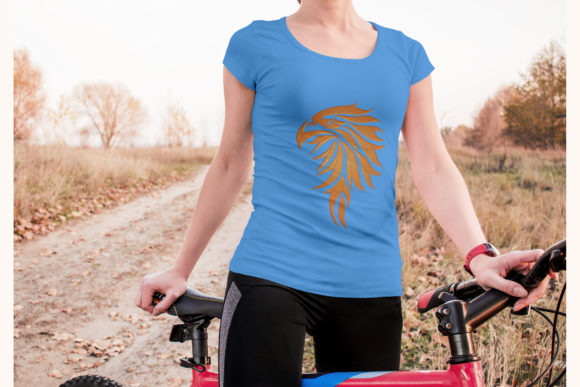
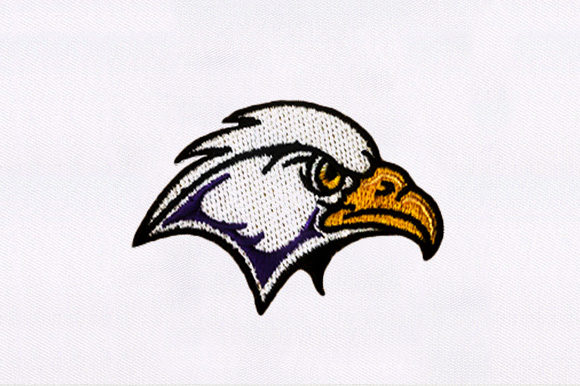
The initial appeal of Hawk Face lies in its striking detail. Unlike simple outline designs, this piece utilizes a mix of stitch types to create depth. The eyes are typically rendered with precision, often using satin stitches to capture the intense gaze characteristic of raptors. The feather details suggest a thoughtful approach to stitch density, balancing visual texture without creating a puckered mess. For designers working in the Birds category, this level of intricacy is a welcome change from flat, one-dimensional clipart styles.
The mood is fierce yet refined. It fits naturally into projects that aim for a rugged, outdoorsy, or sophisticated wildlife theme. Whether you are decorating a rustic cabin pillow or adding a statement piece to a modern streetwear hoodie, the design commands respect. It does not look like a cheap afterthought; it looks like intentional art.
Versatility in Real-World Projects
One of the primary concerns for any commercial embroidery professional is versatility. Can this single digital embroidery file work across multiple product lines? In my assessment, Hawk Face offers significant flexibility. Here is how it performs across various applications:
- Custom Apparel: The design scales well for chest logos on sweatshirts or larger back prints on jackets. The contrast potential is high, making it ideal for both light and dark garments.
- Tote Bag Design: Canvas bags provide a sturdy base for heavier stitch counts. This hawk face adds a premium feel to reusable bags, elevating them from simple grocery carriers to fashion accessories.
- Embroidered Patch: This is perhaps the strongest use case. The defined edges allow for clean cutting or merrowed borders, creating a collectible patch that appeals to nature enthusiasts and scouts alike.
- Nursery Decor: While fierce, the natural theme fits beautifully in woodland-themed nurseries. Stitched onto a neutral linen pillow cover, it becomes a focal point without being overly aggressive.
- Kitchen Towels and Aprons: For the homemaker who loves wildlife, placing this design on a high-quality waffle weave towel adds a touch of personality to everyday items.
For Etsy sellers and small business owners, this versatility means you can create a cohesive collection. You are not limited to one item type. You can offer a matching set of a cap, a tote, and a patch, all featuring the same striking Hawk Face motif. This consistency builds brand recognition and encourages bundle purchases.
Technical Considerations for Stitch-Out Success
While the visual appeal is strong, the technical execution determines whether a project succeeds or fails. Having reviewed the available formats—10O, ART, CND, DSB, DST, DSZ, EXP, HUS, JEF, PCS, PEC, PES, TAP, VIP, VP3, and XXX—it is clear that this Creative Fabrica embroidery asset is designed for broad machine compatibility. However, format availability does not guarantee perfect results on every fabric.
When working with detailed animal faces, thread colors are critical. A hawk’s plumage often involves subtle gradients of brown, grey, and white. To achieve the best result, avoid using variegated threads in the facial details unless you are highly experienced. Solid colors allow the stitch direction to define the shape. Pay close attention to the eye; a misplaced stitch here can ruin the entire expression of the bird.
Stabilizer choice is equally important. If you are stitching this onto a stretchy fabric like a jersey sweatshirt, a cut-away stabilizer is non-negotiable to prevent distortion over time. For woven fabrics like canvas or denim, a tear-away may suffice, but given the likely density of a fill-stitch heavy design, I recommend erring on the side of caution with a medium-weight cut-away to support the weight of the thread.
Challenges with Hoop Size and Fabric
Before loading the file, always check the specific dimensions provided on the product page. If the design is large, it may require a 5x7 or 6x10 hoop. Attempting to resize a complex design significantly can lead to issues with satin stitch width becoming too wide or running stitch connections breaking. If you need a smaller version for a baby hat or a delicate pocket, ensure the original file is high-resolution enough to scale down without losing the definition of the beak and eyes.
Curved surfaces, such as caps, present another challenge. The hawk’s face must be centered perfectly. Any slight misalignment will be obvious due to the symmetry of the bird’s features. Use a magnetic hoop or a cap frame with precise marking tools to ensure the design sits straight. Additionally, when stitching on dark fabrics, consider using a lighter underlay or ensuring your top threads have enough coverage to prevent the fabric color from bleeding through the lighter feather areas.
Enhancing Product Value and Buyer Trust
From a business perspective, the quality of your embroidery file directly impacts perceived value. A crisp, well-digitized Hawk Face signals professionalism. Customers can tell the difference between a jagged, poorly optimized design and one that flows smoothly. High-quality stitching leads to better product photography, which in turn drives engagement on social media and marketplace listings.
When you offer a personalized gift or a handmade product featuring this design, you are selling an experience. The rugged beauty of the hawk resonates with buyers looking for durability and strength. This emotional connection can justify a higher price point. Furthermore, because the design is distinct, it helps your shop stand out from competitors using free, low-quality clipart conversions.
Practical Steps Before Production
Never skip the test stitch. Before committing to a customer order, run the design on a scrap piece of the exact fabric you intend to use. Check for:
- Thread Breaks: Ensure there are no excessive jumps or tight turns that could snap the thread.
- Registration: Verify that the different color sections align properly without gaps or overlaps.
- Puckering: If the fabric pulls, adjust your tension or switch to a heavier stabilizer.
- Detail Clarity: Inspect the small details after washing. Does the design hold up? Is the face still recognizable?
Finally, always review the license terms on the Creative Fabrica product page. While most designs allow for commercial use of finished physical items, it is essential to confirm that you are compliant with current policies regarding finished product sales. Do not assume; verify. This protects your business and ensures you can sell your custom apparel and accessories with confidence.
In conclusion, Hawk Face is a robust addition to any embroidery designer’s library. It offers the right balance of artistic flair and technical feasibility. With proper preparation and attention to detail, it can elevate your design assets and help you create memorable, high-quality items for your customers.