Corinthian Bells Bluework: A Designer’s Review
As an embroidery designer who has spent years refining digitizing techniques for boutique apparel, I approach every new machine embroidery design with a critical eye. It is not just about whether the file runs smoothly; it is about how the final stitch-out elevates the garment. Recently, I evaluated Corinthian Bells Bluework for an upcoming limited-edition sweatshirt drop for a client’s small online shop. This piece falls under the Backgrounds category, yet its application extends far beyond simple filler work. In this review, I will break down how this design performs on premium fabrics, its aesthetic versatility, and the technical considerations every Etsy seller and apparel decorator needs to know before hitting the start button.
First Impressions: Mood and Aesthetic Appeal
The moment I loaded the preview of Corinthian Bells Bluework, I was struck by its delicate yet structured presence. The name suggests a classical influence, and the design delivers a sense of timeless elegance. Unlike bold, heavy logos that dominate a chest, this design feels decorative and refined. It strikes a balance between minimal and ornate, making it ideal for brands aiming for a sophisticated, feminine, or rustic vibe. The "Bluework" aspect implies a monochromatic or tonal approach, which is currently trending in high-end casual wear. For a boutique brand, this means the design does not scream for attention but rather invites closer inspection, adding a layer of perceived value to the handmade product.
The layout appears balanced, suitable for various placements. While many designers might relegate such intricate patterns to large back prints, I found that Corinthian Bells Bluework retains its integrity even when scaled down. This versatility is crucial for creating a cohesive collection where consistency in branding is key. Whether you are aiming for a cute, playful look on pastel hoodies or a bold, statement piece on dark fabric, the design adapts well. It feels less like a generic clipart and more like a custom illustration, which is exactly what modern consumers are looking for in custom apparel.
Application on Sweatshirts and Hoodies
When preparing a sweatshirt embroidery project, fabric texture plays a pivotal role. I tested the visual impact of this design on several common materials. On neutral, heather-grey sweatshirts, the design popped with a clean, crisp contrast, especially if using white or light blue threads. On dark navy or black fabrics, the design required careful thread selection to ensure visibility without losing its subtle charm. Here, metallic or high-sheen rayon threads could add a luxurious touch, transforming a cozy seasonal apparel item into a premium gift-worthy piece.
For oversized hoodies, placement is everything. I recommend positioning Corinthian Bells Bluework slightly off-center on the chest for a modern, asymmetrical look. Alternatively, using it as a sleeve accent adds a unique detail that sets your small shop product apart from mass-produced competitors. The design also works beautifully as a large back piece, where the intricacy can be fully appreciated. For lifestyle product photography, these placements offer dynamic angles that highlight the craftsmanship, essential for creating compelling printable mockup previews and Etsy listings.
The Optional Box Stitch Consideration
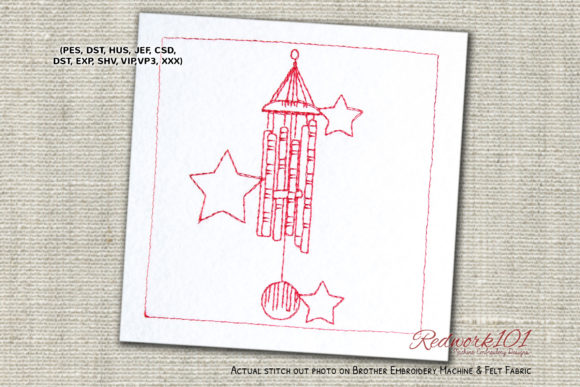
A notable feature mentioned in the product details is that "The Box Stitch shown in picture is optional." This is a significant advantage for professional decorators. The color of the outer box is often different in most designs unless it is part of the design itself, meaning you can skip the color directly if it does not suit your palette. This flexibility allows for greater creative control. If you are working with a thick fleece hoodie, skipping the outer box can reduce bulk and prevent puckering. Conversely, if you want a framed, badge-like appearance, keeping the box provides a defined boundary that enhances the design’s structure. Always review the design assets provided to understand how to toggle this feature in your embroidery software.
Technical Evaluation for Commercial Use
From a technical standpoint, several factors determine whether a design is ready for commercial embroidery. First, stitch density. While exact counts are not provided in the brief, designs in the Embroidery background category typically require moderate density to maintain detail without becoming stiff. For sweatshirts, which are thicker than t-shirts, a slightly higher density can help the design stand out against the plush fabric. However, too much density can cause the garment to pucker. I advise testing on scrap fabric first to gauge the tension.
Stabilizer choice is equally critical. For fleece or French terry sweatshirts, a cut-away stabilizer is non-negotiable. It provides the necessary support to keep the stitches stable through multiple washes. Hoop size should be selected based on the final dimensions of the design. Ensure your hoop is large enough to accommodate the full pattern without needing to re-hoop, which can lead to alignment issues. Small-size readability is another concern; if scaling down for pocket logos, verify that the finer details of the bells do not merge into a solid block of thread. Adjusting the pull compensation in your digitizing software may be necessary for smaller sizes.
Washing durability is a major concern for buyer trust. A well-digitized digital embroidery file should withstand regular laundering without significant fraying or color bleeding. Using high-quality polyester threads ensures colorfastness and strength. Before launching your collection, wash-test your samples to ensure the finished product meets professional standards. This step is vital for maintaining customer engagement and positive reviews.
Enhancing Brand Identity and Value
Incorporating Corinthian Bells Bluework into your lineup does more than just decorate a garment; it strengthens your brand identity. Unique, well-executed embroidery signals quality and attention to detail. For creative entrepreneurs, this translates to higher perceived value, allowing for better profit margins. Customers are willing to pay more for items that feel exclusive and artisanal. By using this design across a range of products—perhaps pairing it with matching tote bags or caps—you create visual recognition that builds customer loyalty.
Moreover, the aesthetic of this design aligns well with current trends favoring nostalgia and craftsmanship. It appeals to buyers who appreciate the story behind their clothes. When marketing your boutique brand, highlight the intricacy of the embroidery in your social media content. Close-up shots of the stitch work can be incredibly engaging, showcasing the texture and depth that printed graphics cannot achieve. This tactile appeal is a powerful selling point for handmade business owners.
Final Verdict and Production Tips
Corinthian Bells Bluework is a versatile and elegant addition to any embroidery designer’s library. Its ability to adapt to various fabric colors and garment styles makes it a reliable choice for diverse collections. Whether you are creating cozy winter wear or light spring layers, this design offers a premium look that enhances the overall appeal of the apparel.
Before production, always check the specific file formats included in your purchase to ensure compatibility with your machine. Verify the recommended hoop size and review any licensing terms regarding commercial use. Remember, the optional box stitch provides flexibility, so experiment with both versions to see which best suits your specific project needs. With the right thread colors, stabilizer, and placement, Corinthian Bells Bluework can become a signature element of your brand, driving sales and delighting customers with its timeless beauty.
For those looking to expand their design assets, investing in high-quality backgrounds like this one is a smart move. It allows for rapid prototyping of new ideas while maintaining a consistent level of quality. As you integrate this into your workflow, keep detailed notes on thread combinations and stabilizer pairings that work best for your specific machines. This knowledge base will streamline future projects and ensure every hoodie design you release meets the high standards your customers expect.