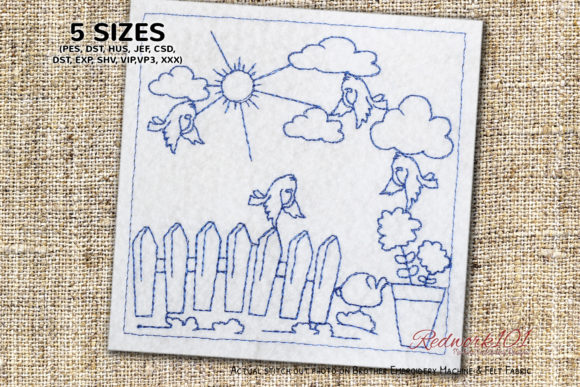
Bird Playing in the Garden Redwork: A Designer’s Review
As an embroidery designer who has spent years digitizing files for small business merchandise, I approach every new machine embroidery design with a critical eye. It is not just about whether a motif looks pretty on a screen; it is about how it performs on fabric, how it holds up to washing, and how it elevates a brand. Today, I am reviewing Bird Playing in the Garden Redwork, a nature-themed piece that promises a fresh aesthetic for creative projects. This review is tailored for small business owners, Etsy sellers, apparel decorators, and crafters looking to integrate high-quality digital embroidery file assets into their product lines.
First Impressions and Visual Personality
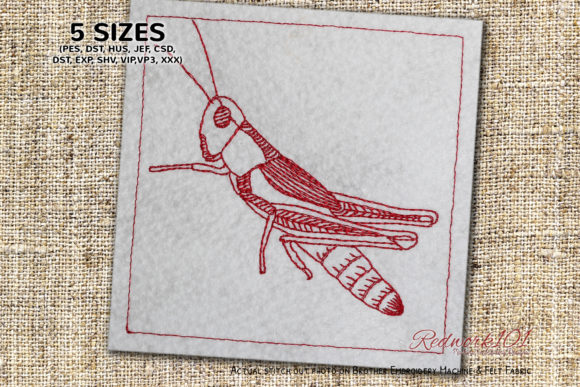
The immediate appeal of Bird Playing in the Garden Redwork lies in its classic redwork style. Redwork is a timeless technique that relies on single-color stitching, traditionally red, to create outline-based designs. This specific design features a bird in a garden setting, which evokes feelings of warmth, nostalgia, and handmade charm. For brands in the Cities category or urban boutiques looking to soften their image with rustic elements, this design offers a perfect balance. It feels friendly and decorative without being overly complex.
The description notes that the Box Stitch shown in promotional images is optional. This is a crucial detail for professional use. An optional border allows for versatility. You can choose to include the box for a framed, patch-like appearance or omit it for a more organic, floating look on garments. The note that the color of the outer box is different in most designs unless specified suggests that the digitizer has considered contrast, but it also means you must be vigilant when selecting your thread colors to ensure the boundary remains distinct if you choose to use it.
Real-World Business Applications
When evaluating Bird Playing in the Garden Redwork for commercial use, we must look beyond aesthetics to functionality. Here is how this design performs across various small business merchandising channels:
- Embroidered Patches: The outline-heavy nature of redwork makes it ideal for patches. Whether you are creating iron-on backing for tote bags or sewing them onto denim jackets, the clear lines ensure the design remains legible even at smaller sizes.
- Custom Apparel and Uniforms: For cafes, florists, or pet brands, this design works beautifully as a chest logo accent or sleeve detail. It adds a touch of personality to staff uniforms without overwhelming the garment. The simplicity of redwork means it stitches out quickly, reducing production time for bulk orders.
- Apron Embroidery: In the culinary and craft sectors, branded aprons are powerful marketing tools. This garden-themed bird adds a whimsical, welcoming vibe to bakery or boutique aprons, enhancing the customer experience.
- Tote Bag Design: Canvas tote bags are a staple for handmade product sellers. The high contrast of redwork against natural canvas or white cotton creates a striking visual that stands out in retail environments and social media photos.
- Cap Embroidery: While possible, cap fronts require careful sizing. The curved surface of a cap can distort detailed outlines. If using this on caps, ensure the design is scaled appropriately to maintain clarity.
Technical Considerations for Production
Before adding Bird Playing in the Garden Redwork to your inventory of design assets, there are technical factors to address. Redwork designs typically have lower stitch density than filled satin stitch designs. This is generally a positive trait, as it reduces puckering and keeps the fabric soft. However, it also means the stability of the base fabric is paramount.
If you are stitching on textured fabric or unstable materials like lightweight linen, you must use the correct stabilizer. A cut-away stabilizer is often recommended for garments that will undergo frequent washing, while tear-away may suffice for decorative items like wall hangings. Always test the design on a scrap piece of your actual production fabric before committing to a full run.
Another critical aspect is the hoop size. Although the exact dimensions are not provided in the brief description, redwork designs can often be resized within reasonable limits without losing quality. However, you should confirm the original hoop size compatibility with your machine. If the design is too large for your standard hoop, you may need to split it or use a larger frame, which affects production workflow.
Brand Identity and Customer Trust
Incorporating Bird Playing in the Garden Redwork into your product line does more than add decoration; it strengthens your brand identity. For handmade brands and Etsy sellers, consistency is key. Using a cohesive set of nature-themed designs across your packaging, labels, and merchandise creates a recognizable visual language. This design, with its classic and elegant feel, signals quality and attention to detail.
Customers associate well-executed embroidery with premium value. A clean, crisp redwork bird on a tote bag or apron suggests that the creator cares about craftsmanship. This perception builds trust and can justify higher price points for your finished product. Furthermore, because redwork is visually simple, it pairs well with other branding elements, such as typography or logos, without creating visual clutter.
Practical Designer Notes for Implementation
To ensure the best results when using this embroidery file, follow these professional tips:
- Test in Black and White First: Before committing to colored threads, stitch the design in black thread on white fabric. This helps you evaluate the clarity of the outlines and the spacing between elements without the distraction of color.
- Check Thread Color Contrast: If you opt to use the optional box stitch, ensure the thread color contrasts sufficiently with both the background fabric and the inner bird design. Poor contrast can make the design look muddy or undefined.
- Create a Printable Mockup: Use digital tools to place the design on images of your actual products. This helps clients visualize the final look and aids in approval processes before any thread is wasted.
- Verify Commercial Licensing: Always confirm the license terms associated with the digital embroidery file. Ensure you have the rights to use the design for commercial embroidery and mass-produced items if that is your business model.
- Inspect Spacing and Jump Stitches: Review the digitizing quality. Are there excessive jump stitches that need trimming? Is the spacing between the bird and the garden elements balanced? Good digitizing minimizes post-production cleanup.
In conclusion, Bird Playing in the Garden Redwork is a versatile and charming addition to any embroidery designer’s library. Its adaptability across various fabrics and products, from custom apparel to home decor, makes it a valuable asset for small businesses. By paying attention to stabilizer choice, thread contrast, and proper scaling, you can leverage this design to create professional, high-quality merchandise that resonates with customers. Remember to check the specific file details for hoop size and format compatibility with your machine to ensure a smooth production process.